

Advancing the Frontiers of Structural Heart Care

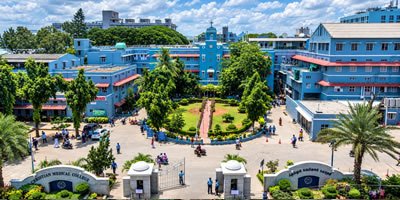
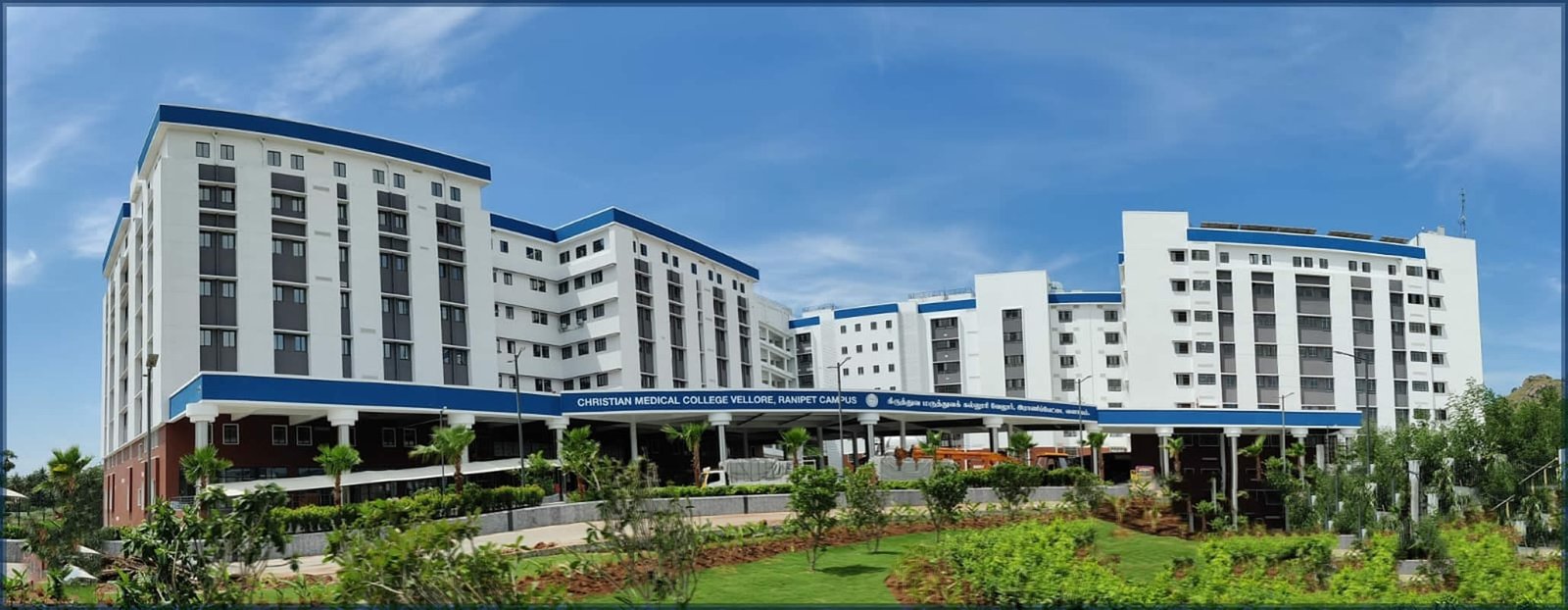
Unit II of the Department of Cardiology at Christian Medical College (CMC), Vellore, is a specialised clinical and academic unit dedicated to the evaluation and treatment of structural heart disease and complex cardiac conditions.

The unit has particular expertise in Transcatheter Aortic Valve Implantation (TAVI), Transcatheter Aortic Valve Replacement (TAVR) and a broad spectrum of catheter based structural heart interventions.

Building on CMC’s long tradition of excellence in patient care, education and research, Unit II has developed a comprehensive Structural Heart Programme combining advanced imaging, transcatheter therapies, multidisciplinary Heart Team care and continuing academic development.

Professor Dr. John Jose E, Head of Unit II, has played a key role in the development of the transcatheter valve and structural heart program at CMC Vellore.
Expertise Across the Structural Heart Spectrum

Unit II of the Department of Cardiology at CMC, Vellore, provides comprehensive evaluation and treatment for patients with complex valvular and structural heart disease.

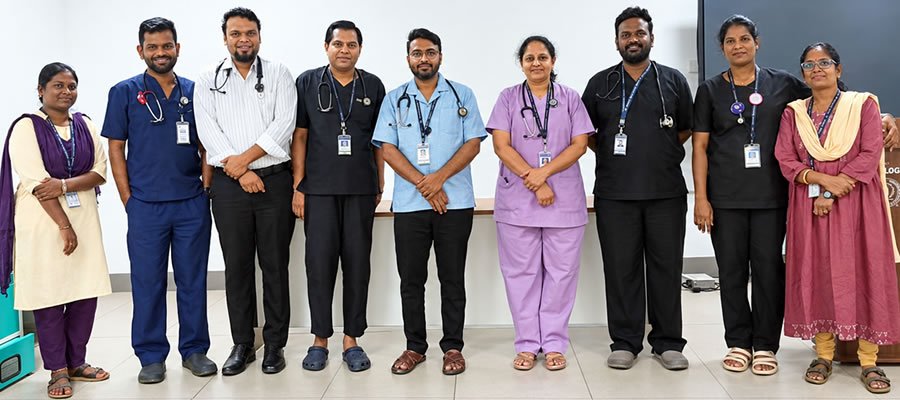
Care is delivered through a multidisciplinary Heart Team, bringing together expertise from interventional cardiology, cardiac imaging, cardiac surgery, cardiac anaesthesia, critical care and other specialist disciplines as required.

Areas of Expertise

  • Transcatheter Aortic Valve Implantation (TAVI) / Replacement (TAVR)
  • Transcatheter mitral, tricuspid and pulmonary valve interventions
  • Valve in valve procedures
  • Left atrial appendage closure
  • ASD, PFO and paravalvular leak closure
  • Advanced echocardiography and multimodality cardiac imaging
  • Complex coronary and peripheral interventions
  • Mechanical circulatory support for high risk cardiac procedures

Treatment decisions are individualised according to the patient’s clinical condition, anatomy, procedural risk and overall circumstances, with multidisciplinary assessment where appropriate.

A LEGACY OF INNOVATION

Pioneering Transcatheter & Structural Heart Interventions

The development of Unit II’s structural heart program has been marked by pioneering procedures and the adoption of evolving transcatheter technologies.

Among its significant milestones are:

FIRST IN THE WORLD
  • Performed the first RotaTripsy procedure.
  • Performed the first transcatheter tricuspid valve implantation using the NOVAL right atrial docking device.
  • Performed and implanted the largest balloon expandable transcatheter aortic valve.
  • Performed and implanted the largest balloon expandable transcatheter pulmonary valve.
FIRST IN ASIA
  • Performed the first valve in valve procedure using the Portico device.
FIRSTS IN INDIA
  • Performed the first fully percutaneous transaxillary (extrathoracic) deployment of a motorized self expanding transcatheter heart valve, pioneering an alternative access route for high risk structural heart patients.
  • Performed the first transjugular pulmonary valve implantation.
  • Performed transcatheter aortic valve implantation (TAVI) using a dry tissue valve.
  • Introduced the iVAC 2L fully percutaneous transfemoral LVAD.
  • Performed implantation of Vitaflow Liberty, a motorized transcatheter aortic valve replacement system.
  • Was among the earliest in India to use AngioJet Rheolytic Thrombectomy and Penumbra devices for pulmonary embolism.
FIRST IN TAMIL NADU
  • Performed left atrial appendage closure using the Lambre and Amulet devices.
  • Performed three tricValve caval valve implantation procedures.

These milestones reflect the evolution of transcatheter and structural heart intervention at CMC Vellore and the program’s engagement with emerging technologies and complex clinical challenges.

EDUCATION, RESEARCH & COLLABORATION

Advancing Knowledge Alongside Clinical Care

Structural heart medicine continues to evolve rapidly. Alongside patient care, Unit II contributes to the advancement of the field through education, research and academic collaboration.

The unit is involved in postgraduate and fellowship training, clinical research, scientific meetings, live case demonstrations, hands on workshops and continuing medical education.

Its faculty participate in national and international scientific forums, collaborate with specialists and centres across the world, and contribute to the growing body of knowledge in transcatheter valve and structural heart intervention.

LOOKING AHEAD

From Experience to the Next Frontier

The story of Unit II is one of continuing evolution: from the early development of a transcatheter valve program to a broader structural heart practice encompassing multiple valve territories and complex catheter based interventions.

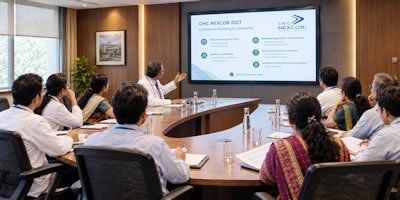
NEXCOR brings together this experience, evolving technology and the wider structural heart community to connect, converge and advance the field.